

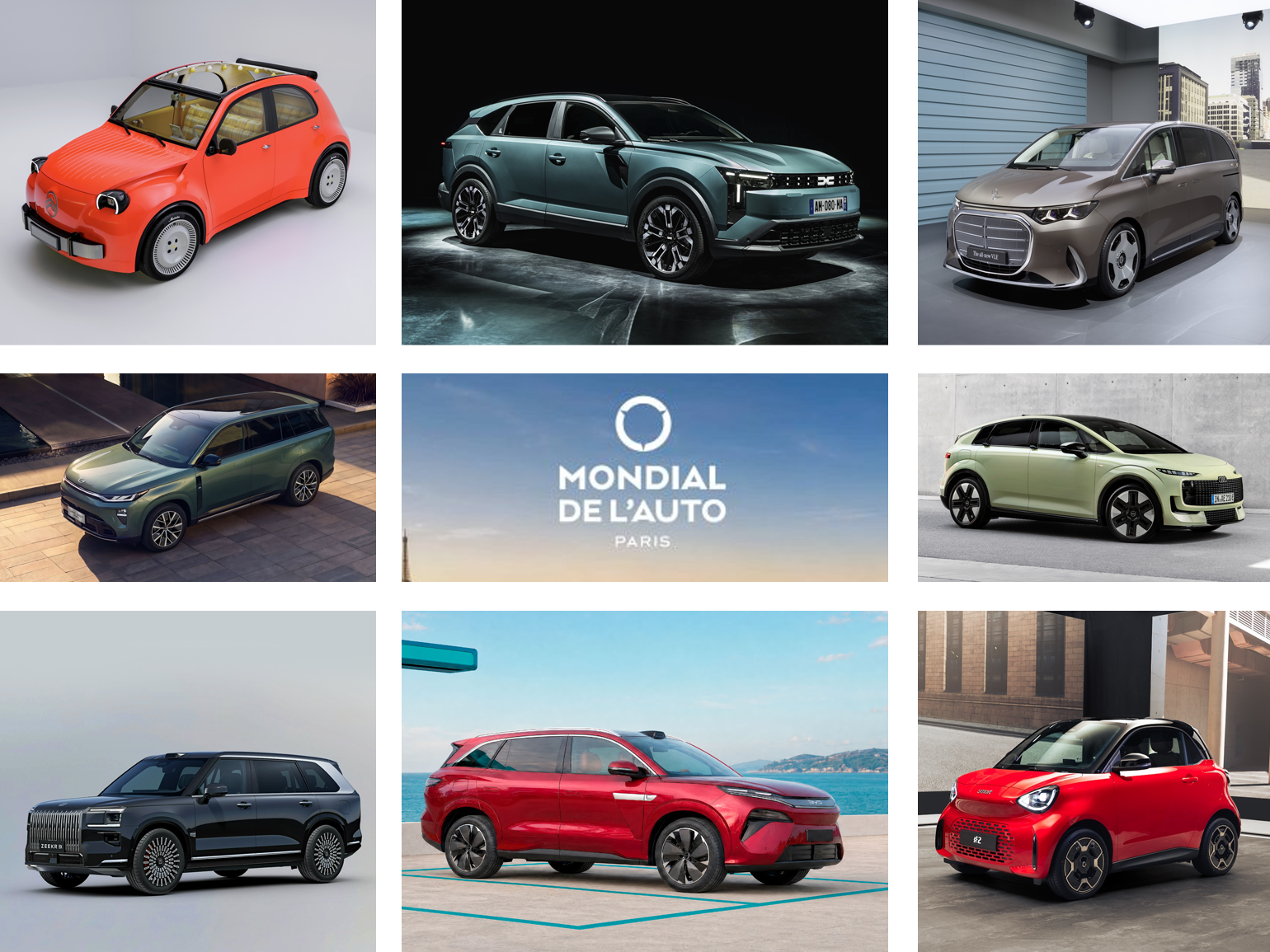
What the Paris Show 2026 tells us about the future of the car market
Published 23rd October 2026
Motor shows have always had a habit of mixing fantasy with reality, and the 2026 Paris Motor Show was no exception. Visitors were treated to everything from the dramatic Alpine A310 Vision and Peugeot's wild E-T16 hyper-hatch to Alfa Romeo's beautiful Cuorerosso concept and a host of futuristic design studies.
They were the cars that drew the crowds, dominated social media feeds and reminded us that not every automotive decision is made on a spreadsheet. But beneath the attention-grabbing concepts and nostalgic revivals, a far more important story was unfolding.
If previous motor shows were dominated by debates about whether electric vehicles would eventually become mainstream, Paris 2026 suggested that question has largely been answered. Instead, manufacturers are now focusing on what comes next. The challenge is no longer simply building electric cars. It's making them affordable, practical, appealing to families and easier to live with, while at the same time defending market share against an increasingly confident wave of Chinese competition.
The last part of that challenge was reflected throughout the exhibition halls.
Alongside familiar European brands, manufacturers from China occupied some of the show's most prominent positions, unveiling everything from budget-friendly family cars to luxury SUVs aimed directly at established premium rivals. The result was a motor show that felt less like a showcase of distant future technology and more like a preview of the cars lease customers could realistically be considering over the next few years.
With that in mind, these are the 10 reveals that tell us most about where the car market is heading next.
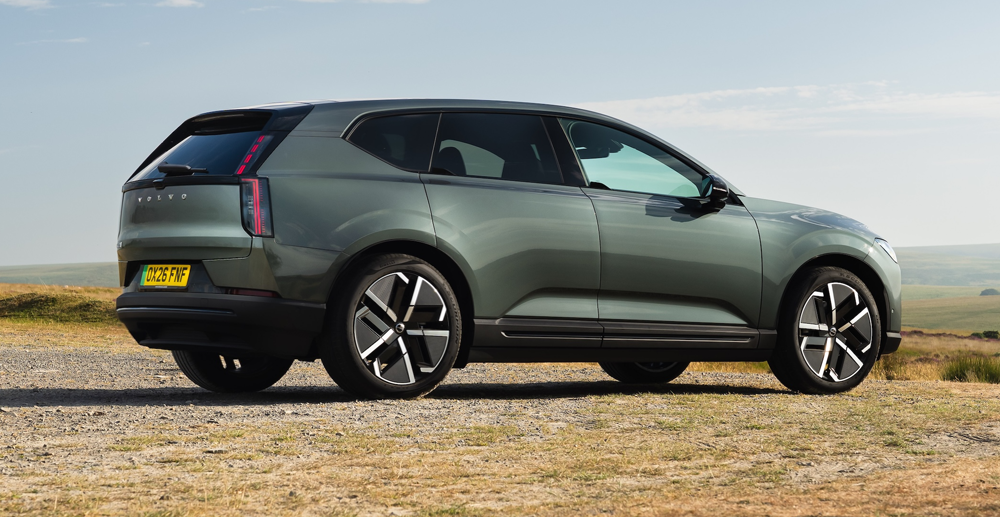
Volvo EX60
Volvo arrived in Paris with one of the show's most significant production-ready debuts. The EX60 takes over from the hugely successful XC60 as the Swedish brand's latest mid-sized SUV and becomes the first model built on Volvo's new SPA3 electric architecture. Positioned in one of Europe's most important market segments, the EX60 is aimed directly at drivers who want an electric SUV without stepping up to something as large as the EX90.
The EX60 also highlights how far electric vehicles have moved into the mainstream. This isn't a niche halo model designed to showcase technology. It's a successor to one of Volvo's most important cars and is expected to become a volume seller across Europe.
The broader trend is clear. Electric SUVs are no longer a specialist category. Manufacturers are replacing some of their best-selling mainstream models with electric alternatives, signalling that electrification is increasingly becoming the default rather than the exception.
See our Volvo EX60 leasing deals.
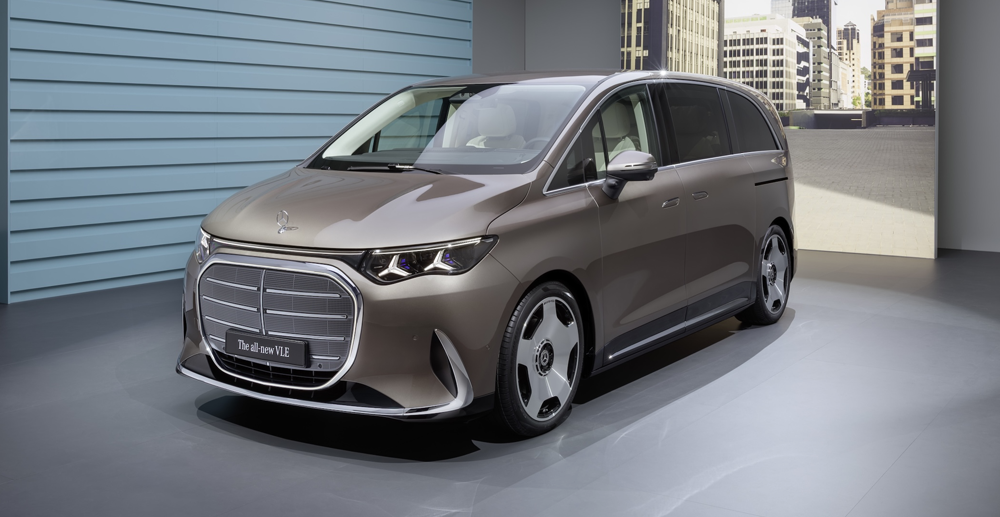
Mercedes-Benz VLE
MPVs may have fallen out of fashion in recent years, but Mercedes thinks there's still life in the format. The new VLE is an all-electric people carrier offering space for up to eight passengers and a claimed range of more than 430 miles.
Rather than positioning it purely as a commercial vehicle derivative, Mercedes is pitching the VLE as a premium family and executive transport solution. This potentially opens the door to a new type of electric vehicle sitting somewhere between a luxury SUV and a conventional van-based people carrier.
The VLE shows that not every manufacturer believes the answer to every motoring question is another SUV. Space, flexibility and passenger comfort are becoming priorities again, particularly as electric platforms make packaging more efficient than ever.
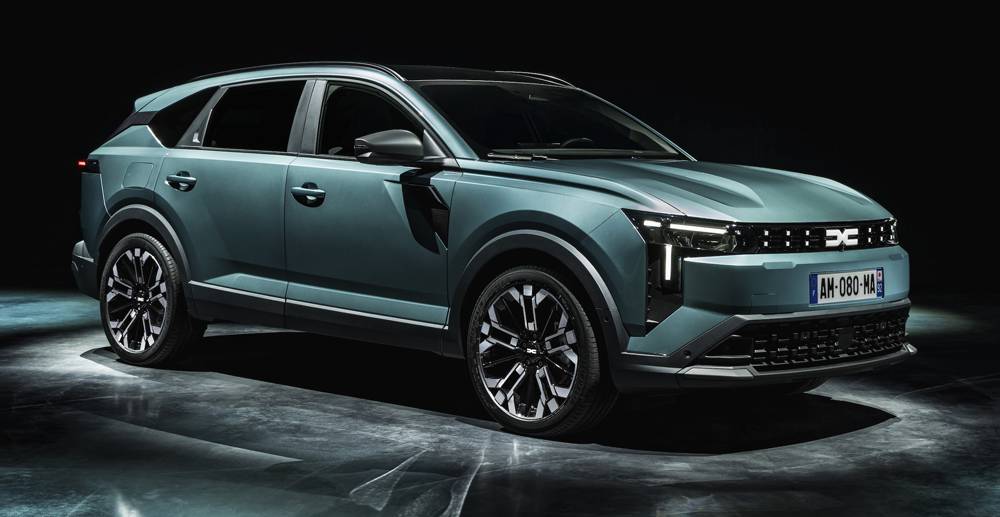
Dacia Striker
The Dacia Striker might not have generated the same headlines as some of the more exotic concepts, but it could ultimately become one of the show's most important launches. Sitting alongside the larger Bigster, the new crossover arrives with hybrid and LPG powertrains and pricing and leasing costs designed to remain accessible to mainstream buyers.
Dacia has built a reputation on offering straightforward, affordable transport at a time when many new cars have become increasingly expensive. The Striker continues that formula while embracing electrification where it makes sense, rather than forcing customers down a single route.
Its significance lies in demonstrating that affordability remains one of the automotive industry's biggest challenges. The future may be electric, but manufacturers still need to convince ordinary families that they can afford to take part.
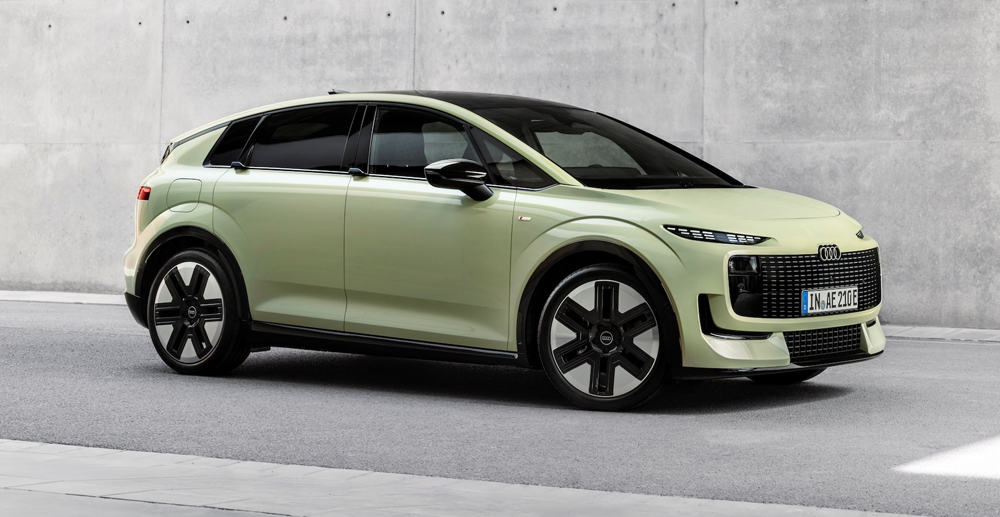
Audi A2 e-tron
Two decades after the original aluminium-bodied A2 disappeared from showrooms, Audi has revived the name for a compact electric hatchback. While the styling and technology are entirely modern, the decision to resurrect a familiar badge is significant.
Audi isn't alone. Across the industry, manufacturers are increasingly returning to established model names rather than creating entirely new identities for their electric vehicles. Customers understand what an A2 is supposed to be, just as they understand names such as Tiguan or Polo.
The trend suggests car makers are recognising that customers often value familiarity. The future may be electric, but manufacturers increasingly want it to feel reassuringly familiar. Check out the latest Audi A2 e-tron leasing deals here.
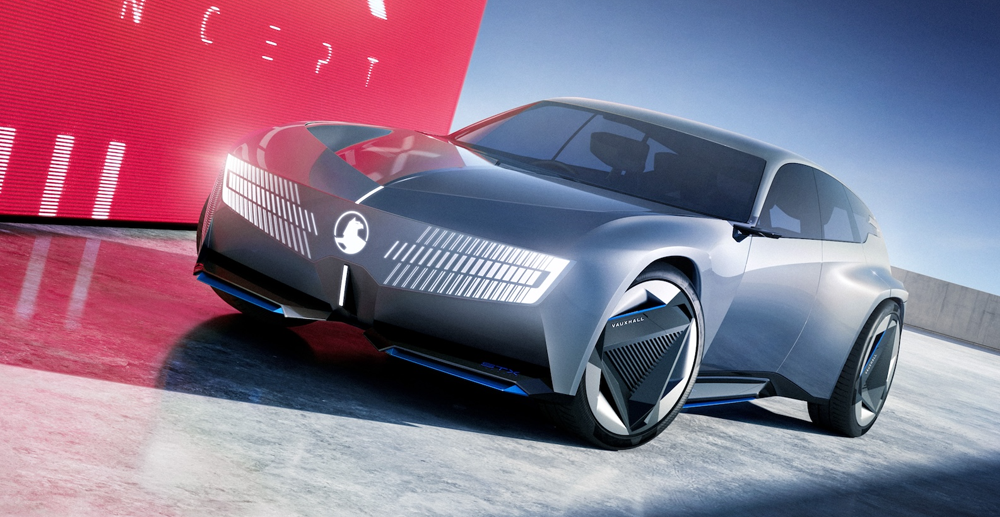
Vauxhall STX
Vauxhall used Paris to give the clearest indication yet of where its next generation of family cars is heading. The STX concept previews the replacement for today's Astra and suggests there is still life in the traditional hatchback and estate sectors despite the relentless growth of SUVs.
While still a concept, the STX looks considerably closer to production reality than many of the more dramatic show cars. Its sharp styling and emphasis on practicality indicate that Vauxhall still sees a future for conventional family cars, even as much of the market shifts towards crossovers.
The broader trend is an interesting one. Rather than simply building another SUV, manufacturers are beginning to explore how traditional body styles can evolve for the electric era. In a show packed with SUVs, the STX offered a refreshingly different perspective on the future of family motoring.
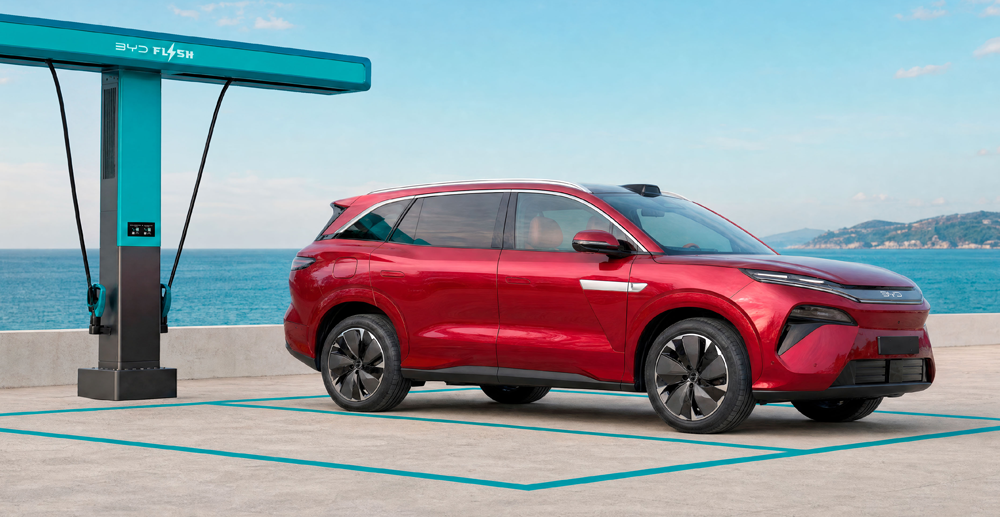
BYD Atto 8
BYD's largest SUV yet made a significant statement in Paris. The new Atto 8 combines seven seats with generous passenger space and a substantial amount of practicality, placing it firmly in the family-SUV sector.
The Chinese manufacturer has expanded rapidly across Europe, and the Atto 8 demonstrates that BYD is no longer content to compete purely in smaller EV segments. Instead, it's targeting some of the most profitable areas of the market.
Its arrival underlines growing demand for larger electric family vehicles. Early EVs often required compromises on space and practicality. Models such as the Atto 8 suggest those compromises are increasingly being confined to the history books.
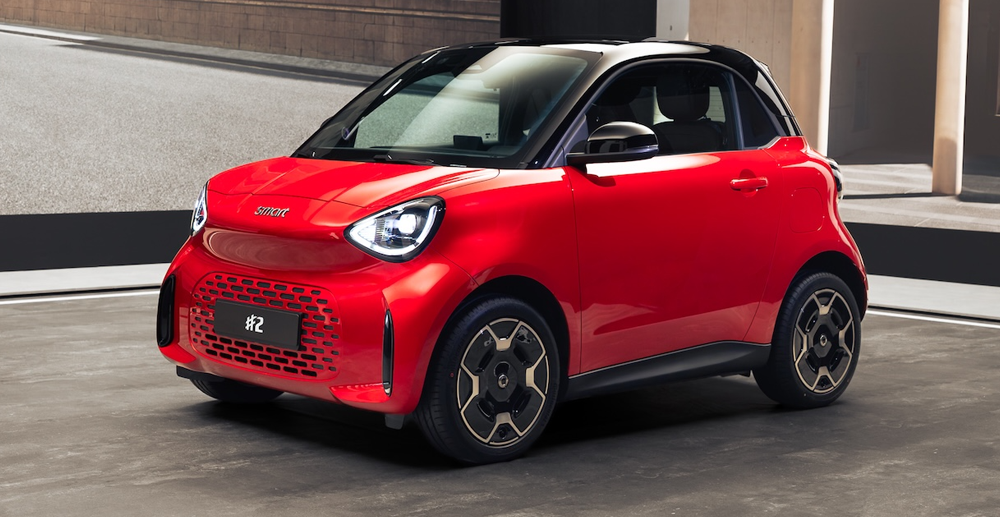
Smart #2
For several years, the industry appeared obsessed with making cars larger. The Smart #2 points in the opposite direction. As the smallest new car at the show, it revives Smart's city-car ethos for the electric era.
In many ways, the #2 arrives at exactly the right moment. Cities are becoming more congested, parking spaces aren't getting any bigger and drivers are increasingly questioning whether they really need oversized vehicles for everyday use.
The Smart demonstrates another emerging trend from Paris: not every future vehicle needs a huge battery and SUV dimensions. Smaller, lighter and more affordable EVs are making a comeback.
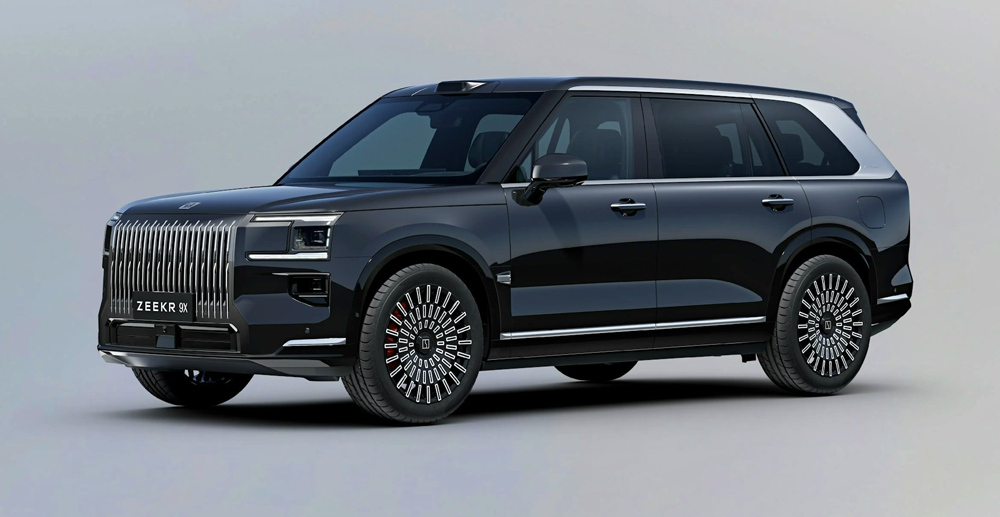
Zeekr 9X
Perhaps no vehicle better illustrated China's growing confidence than the Zeekr 9X. The flagship SUV arrives with luxury-market ambitions, sophisticated hybrid technology and an interior designed to challenge the established European premium brands.
A few years ago, many Chinese brands concentrated on value. The 9X takes the opposite approach, targeting luxury buyers with technology, performance and premium materials.
The wider significance is impossible to ignore. Chinese manufacturers, such as Zeekr, part of the Geely group, aren't simply entering Europe at the budget end of the market. They're increasingly targeting customers who might previously have considered a BMW, Mercedes-Benz or Range Rover.
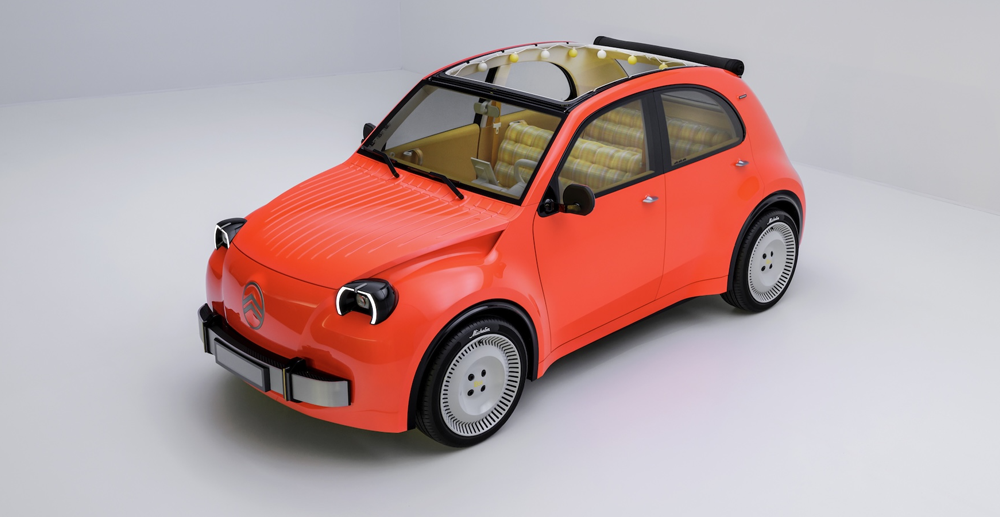
Citroën 2CV
Few cars generated quite as much attention in Paris as the reborn Citroën 2CV. One of the most recognisable names in motoring history has returned as a small electric vehicle, combining retro-inspired design with thoroughly modern technology.
While nostalgia undoubtedly plays a part in its appeal, the bigger story lies elsewhere. The new 2CV arrives at a time when many manufacturers are rediscovering the importance of smaller, more affordable cars as they look to make electric motoring accessible to a wider audience.
The broader trend is an important one. After years of increasingly large and expensive vehicles, manufacturers are beginning to remember that plenty of drivers still want simple, efficient and affordable transport. The 2CV suggests the future of electrification won't be reserved solely for premium SUVs.
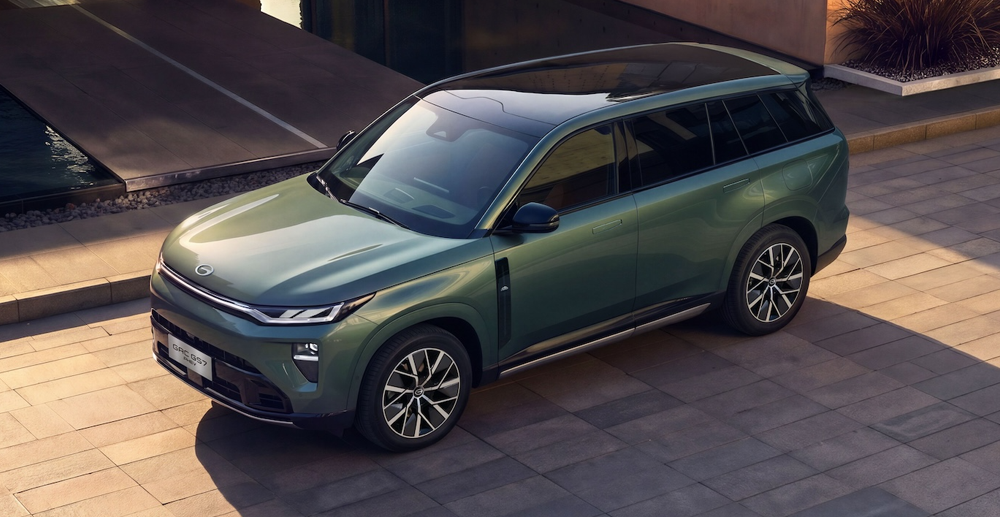
Aion GS7
The Aion GS7 may not have been the most glamorous debut in Paris, but it represented another important development. The new full-size electrified SUV forms part of Aion's growing European plans and adds further competition in one of the continent's most important vehicle categories.
More importantly, it demonstrates that the flow of new entrants is showing no signs of slowing down. Just as established manufacturers become accustomed to competing with BYD, MG, Omoda and Jaecoo, another wave of brands is arriving.
And that may be the biggest lesson from Paris 2026. The future of the car market won't simply be electric. It will also be far more competitive than anything European manufacturers have experienced before.
What does it all mean for lease customers?
Motor shows are often full of concepts that never make production and technologies that take years to reach the showroom. The 2026 Paris Motor Show felt different.
Many of the cars on display were either close to production or previewing the next generation of vehicles likely to arrive on UK roads within the next few years. More importantly, they weren't all chasing the same idea. Drivers considering their next lease can expect to see a wider variety of electric cars than ever before, from budget-friendly city cars and practical family SUVs to luxury people carriers and premium flagship models.
That increasing choice could prove just as significant as improvements in range or charging speed. Whether your priorities are affordability, practicality, performance or simply leasing yourself something a little different, the next wave of new vehicles looks far more diverse than the one that came before it.
And if Paris proved anything, it's that the most interesting question is no longer what cars we'll be driving in the future. It's how many more options we'll have when we get there.
Related articles

19th Oct 2026
9th Oct 2026