

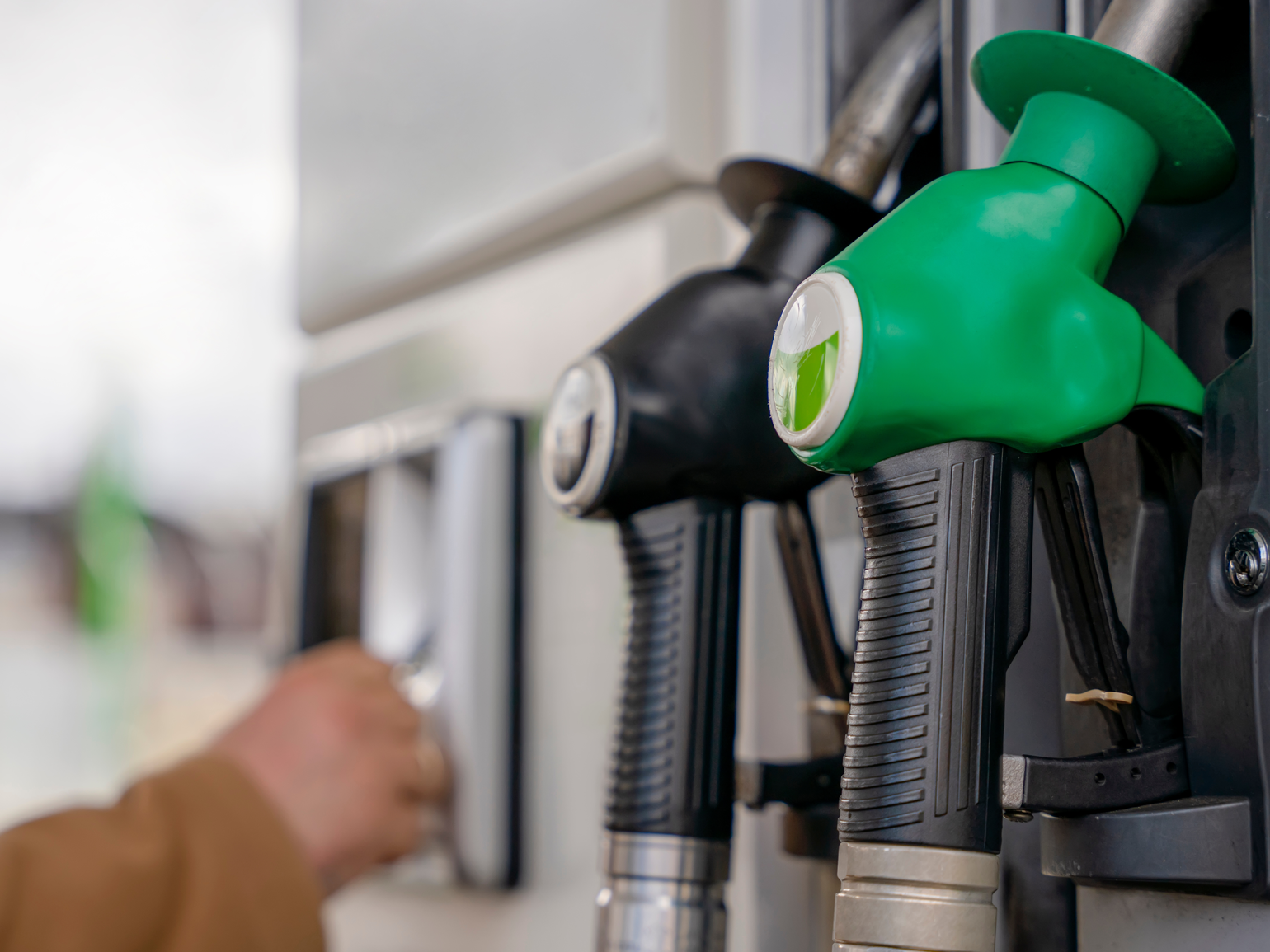
Fuel price increase boosts EV interest as 31% of consumers consider switching
Published 24th June 2026
Almost a third (31%) of 18 to 54 year old drivers who don't own an electric vehicle (EV) would consider switching to one in the next 12 months based on current fuel prices, or if prices rise by up to 50p or more on top of what they usually pay, according to new research* from YouGov.
Drivers in the UK have faced higher pump prices in recent months as a result of the US-Israel conflict with Iran. The average price of petrol is now 18% higher than at the start of March 2026, while diesel has risen by 24%**.
“Although a deal has been agreed to end the conflict, fuel prices could take months to normalise, putting a further strain on consumer spending during the current cost of living crisis,” said Kelly Marshall, Managing Director of car and van leasing broker Gateway2Lease, which commissioned the YouGov research.
“But the good news is that by switching from a petrol car to an EV, consumers could save £980 a year on fuel costs alone***. And it’s encouraging to see from our research that more consumers are open to the idea of having an electric car.”
The research found that more than one in 10 (12%) of 18 to 54 year olds drivers who don't own an EV are already considering switching to one based on current fuel prices. This almost doubles to about two in 10 (19%) if fuel prices increase by up to 50p or more on top of what consumers usually pay within the next year.
About four in 10 drivers (38%) said they were “more conscious of driving costs” as a result of rising fuel prices. However, more than half (56%) of respondents who wouldn’t switch to EV see the main barrier as the upfront cost.
“While it’s true that some EVs have a higher list price than an equivalent petrol or diesel vehicle, leasing an EV rather than buying one outright is often an affordable option,” Kelly said.
“And the overall cost of an EV in the long term can work out significantly cheaper due to savings from charging at home compared to filling up at the pumps, and lower service and maintenance costs as EVs have fewer moving parts.”
Drivers can also benefit from the Government’s Electric Car Grant, which gives a discount of either £3,750 or £1,500 on more than 50 new EVs leading to lower lease rentals, as well as exemption from the London Ultra Low Emission Zone (ULEZ) and Clean Air Zones (CAZs) in other major cities. Company car drivers, meanwhile, pay the lowest benefit-in-kind (BIK) tax rate of 4% whereas a diesel car could have a BIK rate of up to 37%.
“The drivers that we lease electric vehicles to also appreciate the environmental benefits of EVs and an enjoyable driving experience. In fact, once they’ve made the switch we don’t see them go back,” Kelly said.
*All figures, unless otherwise stated, are from YouGov Plc. The total sample size was 2,054 adults and fieldwork was undertaken between 1st and 2nd June 2026. The survey was carried out online. The figures have been weighted and are representative of all UK adults (aged 18+).
**On 2 March 2026 the weekly fuel price was 132.14 pence per litre (ppl) for petrol and 142.15ppl for diesel. On 15 June 2026 the petrol price was 155.54ppl and diesel was 176.71ppl, according to the Department for Energy Security & Net Zero.
***Zapmap suggests the cost of charging an EV each year is £680, when 80% of charging is done at home and 20% at public chargers, while petrol could cost £1,660 a year, as reported by This is Money.
Image is courtesy of Irene Miller on Shutterstock.
Related articles
13th Oct 2026

5th Oct 2026
7th Oct 2026