EV Charging Explained: Home, Workplace & Public Charging Options
Thinking about switching to an electric car but unsure how charging works? You’re not alone.
Understanding how, where and when to charge is one of the biggest considerations when moving away from petrol or diesel. The good news is that EV charging is simple, flexible, and often more convenient than visiting a fuel station.
How Do You Charge an Electric Car?
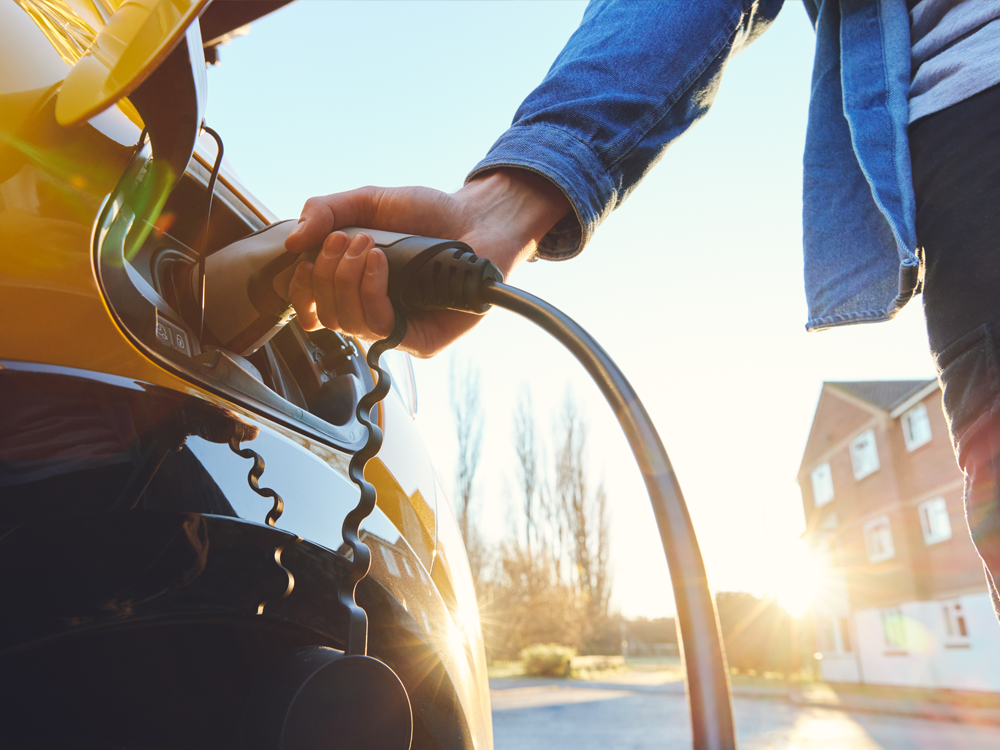
Charging an electric car is straightforward. You simply plug it in, and the vehicle handles the rest.
Most drivers rely on a combination of home, workplace, and public charging. In fact, the majority of charging typically happens at home, making it the most important part of EV ownership.
If you’re comparing models, explore our latest electric car lease deals to see what’s available.
Home Charging
Home charging is the most convenient way to keep your electric car charged.
A dedicated home charger - usually a 7kW wallbox - is installed on your property and allows you to charge overnight.
This means you can plug in before bed and wake up with a full battery.
In the UK, you may also be eligible for support through the government’s EV chargepoint grant, which can help reduce the cost of installing a home charger. You can find out more on the official GOV.UK website.
Why home charging works so well
- Charge overnight while you sleep
- Take advantage of cheaper off-peak electricity
- Avoid queues and public charging stations
- Start every day with a full battery
Workplace Charging
Workplace charging is becoming increasingly common across the UK and is a great solution for topping up during the day.
With charging points installed at your place of work, you can simply plug in while you’re in the office and return to a charged car at the end of the day.
This is particularly useful if you don’t have access to home charging, or if you want an easy way to top up your battery during the working week.
Public Charging
The UK’s public charging network has expanded significantly, making it easier than ever to charge when you’re away from home.
You’ll find chargers at motorway services, supermarkets, retail parks and public car parks—perfect for longer journeys or quick top-ups.
There are different types of public chargers:
- Fast chargers (7kW–22kW) for longer stops
- Rapid chargers (50kW+) for charging in around 30–60 minutes
- Ultra-rapid chargers (100kW+) for the quickest charging speeds
Major EV Charging Networks
You’ll find a growing number of well-established charging networks, making it easier than ever to stay charged on the move.
IONITY offers ultra-rapid chargers, typically located along motorways, making it ideal for longer journeys and quick stops.
GRIDSERVE is recognised for its reliable charging hubs and innovative Electric Forecourts.
bp pulse is one of the largest networks in the UK, with chargers widely available in cities and key locations.
Pod Point is commonly found at supermarkets and retail destinations, perfect for topping up while you shop.
Osprey Charging Network provides rapid charging in convenient, everyday locations across the country.
Most charging networks now make it simple to get started, with contactless payment options and easy-to-use mobile apps.
How Long Does It Take to Charge an Electric Car?
Charging time depends on the size of your battery, the charger speed, and your vehicle’s capabilities.
As a general guide:
- Home charging (7kW): 6–12 hours
- Rapid charging (50kW): around 30–60 minutes to 80%
- Ultra-rapid charging: as little as 20–40 minutes
Most drivers only charge to around 80% when using rapid chargers, as this helps maintain battery health and improves efficiency.
Is EV Charging Expensive?
Charging an electric car is typically cheaper than running a petrol or diesel vehicle, but the exact cost depends on where and how you charge. For example, home charging is usually the most cost-effective option, especially if you can take advantage of off-peak electricity rates.
Workplace charging can often be free or subsidised by employers, making it a great way to reduce your day-to-day running costs even further. Meanwhile, public rapid charging tends to be more expensive, but it offers speed and convenience when you’re on the go or covering longer journeys.
Ready to Make the Switch to Electric?
At Gateway2Lease, we make switching to electric simple.
Whether you’re exploring your first EV or comparing lease deals, we’ll help you find the right vehicle for your needs—without the jargon.
Explore our latest electric car lease deals and start your journey into electric driving today.