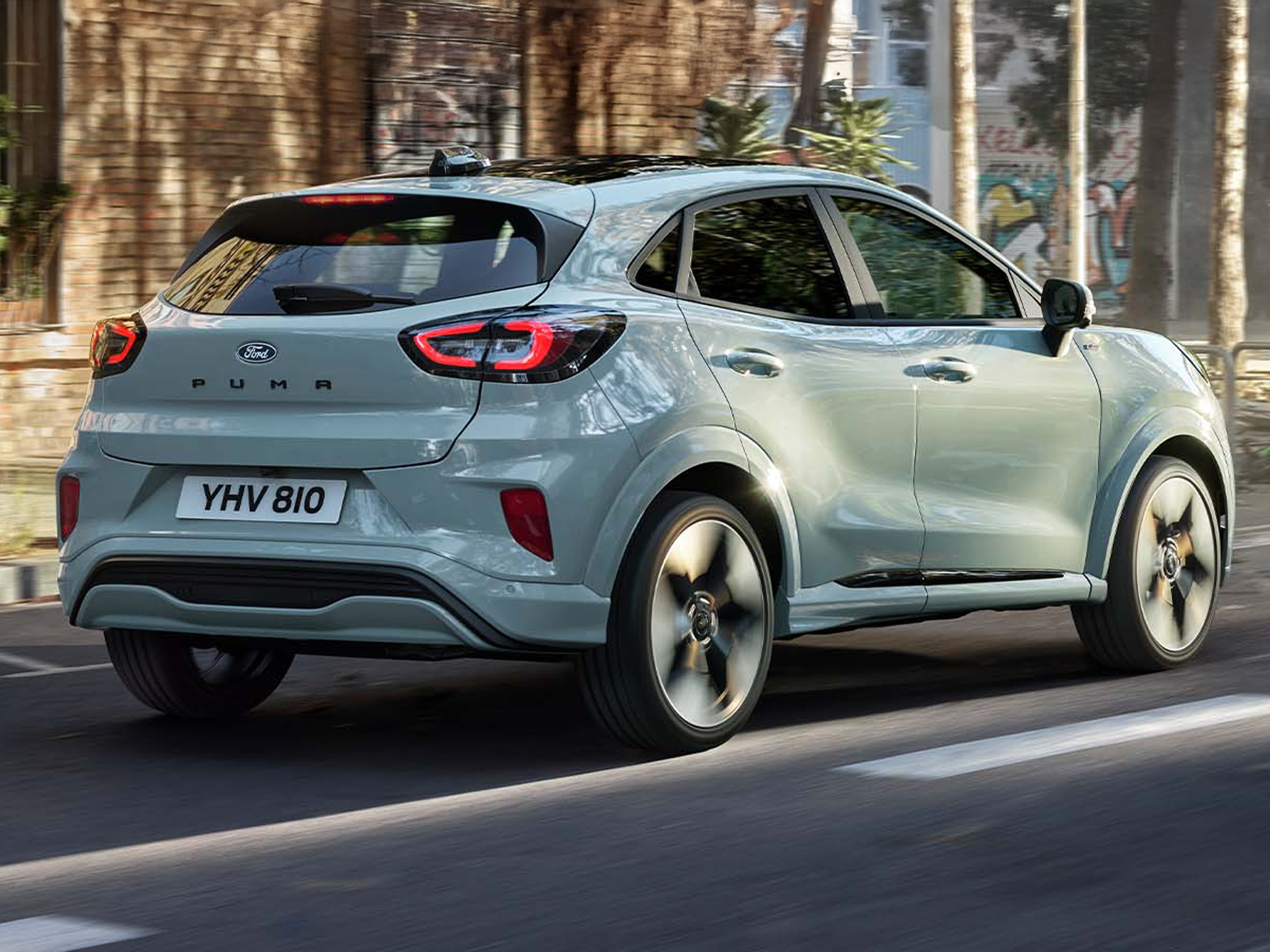
Fuel Types Explained
When it comes to leasing, choosing the right fuel type is about finding the best fit for your driving habits, budget, and lifestyle. Leasing makes it easy to enjoy the latest technology without worrying about long-term depreciation and you can choose a fuel type that suits your needs perfectly.
Petrol
Petrol engines are the most common in the UK, known for smooth, quiet performance. They generate power by igniting a mix of petrol and air, giving lively acceleration and responsive driving. Light and simple, they’re ideal for city driving and everyday use.
Pros:
- Smooth and quiet driving experience
- Affordable
- Widely available fuel
Cons:
- Less fuel-efficient on long journeys
- Higher CO2 emissions than diesel
- Lower torque for towing or heavy loads
Petrol cars are a great option for short commutes, urban driving, and anyone looking for a simple, practical lease.
Diesel
Diesel engines are built for efficiency and torque. They burn diesel fuel to produce strong low-end power, making them great for long journeys, towing, and high mileage driving. Diesel cars are durable and fuel-efficient but best suited to motorway and driving rather than stop-start city trips.
Pros:
- Improved fuel efficiency and lower emissions
- Smooth, assisted acceleration
- No need to plug in
Cons:
- Cannot drive on electric power alone
- Benefits are smaller on motorway-only driving
Diesel vehicles work best for drivers who regularly cover long distances or need extra power for larger vehicles like SUVs and vans.
Mild Hybrid (MHEV)
Mild hybrids use a small electric motor to assist a petrol or diesel engine. They cannot run on electric power alone, but the electric boost improves acceleration and fuel efficiency, especially in stop-start city traffic.
Pros:
- Excellent fuel efficiency on long journeys
- High torque for towing and heavy loads
- Durable and reliable for high mileage driving
Cons:
- Higher nitrogen oxide (Nox) emissions
- Less efficient in stop-start city traffic
Mild hybrids are well suited to city and suburban commuters who want a more efficient drive without changing how they refuel.
See our Mild Hybrid Guide for more details.
Full Hybrid (HEV)
Full hybrids combine a petrol engine with an electric motor, allowing the car to run on electric power alone for short distances. They reduce fuel consumption and emissions while providing smooth, quiet driving. Unlike plug-in hybrids, they don’t need to be charged from a socket.
Pros:
- Lower fuel costs in city driving
- Reduced emissions compared to petrol-only cars
- Smooth, quiet, and responsive
Cons:
- Slightly higher monthly lease rates than standard petrol
- Limited electric-only range
- Best benefits in stop-start traffic
A full hybrid is perfect for commuters and city drivers who want a greener, more efficient drive without the need to plug in.
Learn more in our Hybrid Guide.
Plug-in Hybrid (PHEV)
Plug-in hybrids combine a petrol engine with a larger battery-powered electric motor that can be charged from a wall socket. They can run purely on electric power for short trips, cutting fuel use and emissions, but switch to petrol for longer journeys.
Pros:
- Can drive on electric power for short trips
- Lower emissions
- Flexible for long journeys without worrying about charging
Cons:
- Need to plan charging for maximum efficiency
Plug-in hybrids are ideal for drivers who want the benefits of electric driving, with the reassurance of petrol power for longer journeys.
Learn more in our PHEV Guide.
Electric (EV)
Electric vehicles run entirely on electricity, producing zero tailpipe emissions. They’re smooth, quiet, and low maintenance, with running costs typically lower than petrol and diesel. EVs are perfect for city and suburban driving, and modern charging networks make them increasingly practical for longer trips.
Pros:
- Zero tailpipe emissions and reduced running costs
- Smooth, instant acceleration
- Lower maintenance and fewer moving parts
- Eligible for goverment incentives and lower taxes
Cons:
- Planning charging is needed for longer trips
- Slightly higher lease rates in some cases (offset by savings on fuel and maintenance)
Electric vehicles are a great choice for anyone looking to enjoy modern electric technology alongside the flexibility and simplicity of leasing.
Check out our Electric Vehicle Guide for more information.
Choosing the Right Fuel Type When Leasing
Depending on how you drive, some fuel types could be a better fit for your lease than others.
- If most of your driving is around town or short commutes, petrol, mild hybrid, full hybrid, or electric vehicles are all great options.
- For longer journeys or heavier use, diesel or plug-in hybrids offer extra efficiency and flexibility.
- If you’re looking to reduce running costs and drive more sustainably, full hybrids, plug-in hybrids, or electric vehicles are worth considering.
- For a good balance between efficiency and everyday flexibility, mild or plug-in hybrids fit the bill nicely.
Leasing gives you the freedom to choose the fuel type that suits your driving habits, without worrying about resale or long-term depreciation. At Gateway2Lease, we make it easy to match your lifestyle to the perfect vehicle and fuel type so you can drive confidently every day.