The everything-is-new Volkswagen ID.3 Neo
Published 20th May 2026
Volkswagen has pulled the covers off the next generation of its electric hatchback lineup. This isn’t a mild facelift or a mid-cycle tidy-up either. VW is using the phrase “everything is new”, and for once, that’s not marketing exaggeration. The brand-new VW ID.3 Neo is the most significant update the model has seen since the original launched in 2020, and it comes with a long list of reasons to get excited.
With a new name, a new design language, a completely reworked interior, and a more efficient drive system, the ID.3 Neo is shaping up to be one of the most important electric cars in VW’s line-up.
The exterior is the first big change to draw attention.
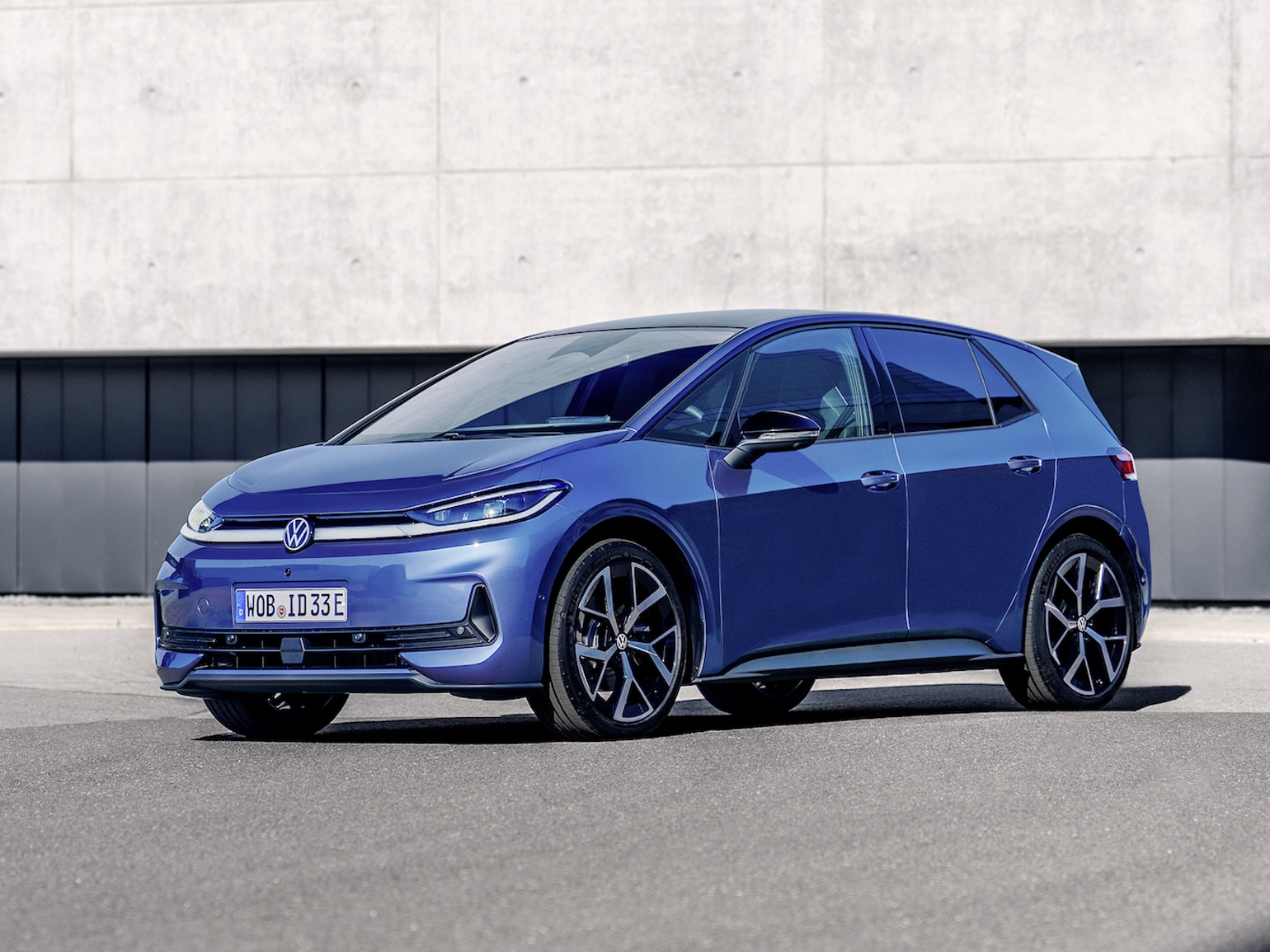
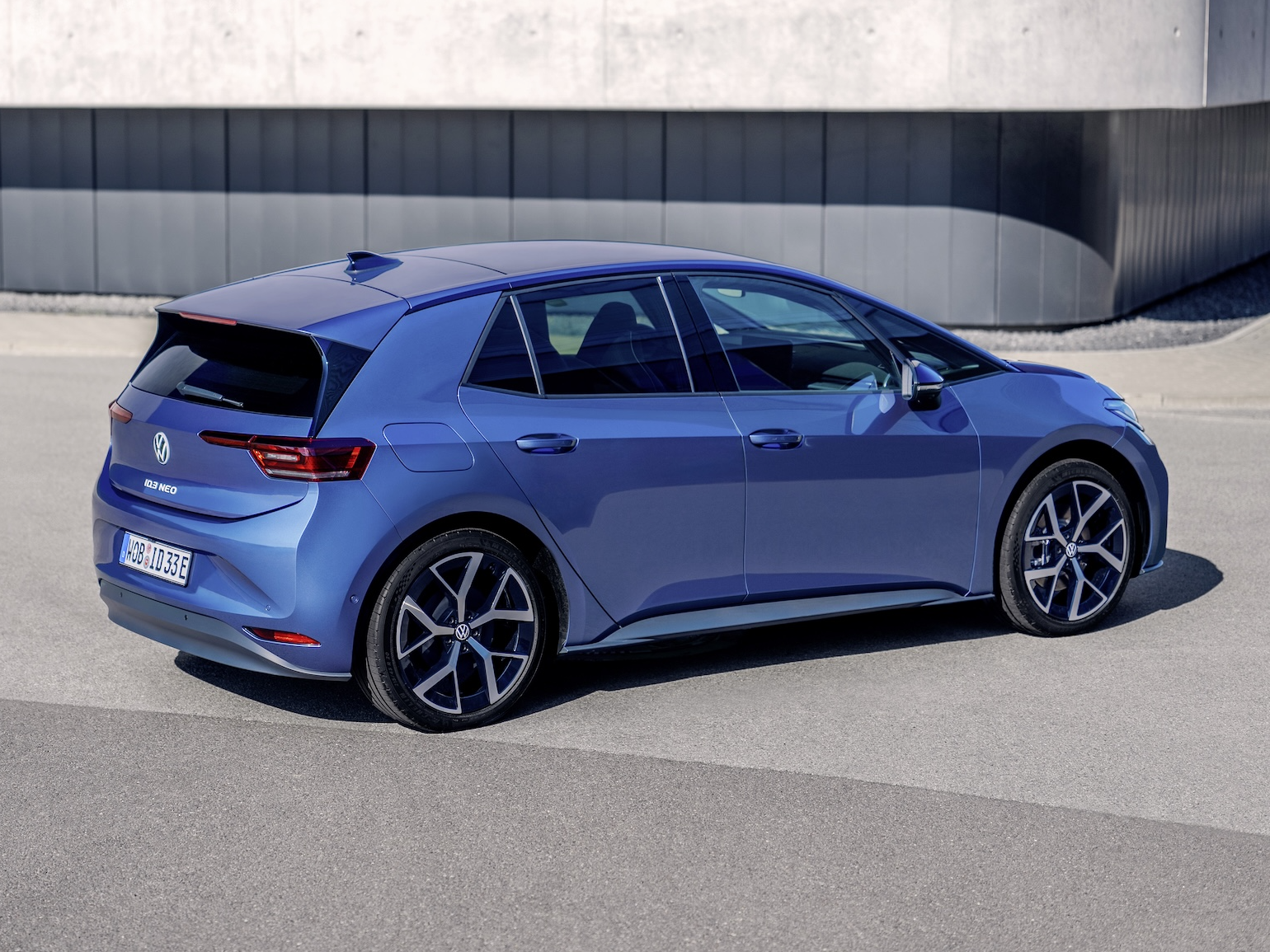
The ID.3 Neo adopts Volkswagen’s new ‘Pure Positive’ design language, with a cleaner, more confident front end, a continuous light strip, and illuminated VW badge. The roof, rear spoiler, and boot lid are now painted in the body colour, a design tweak that gives the car a longer, sleeker look than before. It’s still recognisably an ID.3, but the Neo feels like it’s matured into a more refined and grown-up car.
Under the skin, the ID.3 Neo gets a brand-new high-efficiency drive system featuring three power outputs equivalent to 170bhp, 190bhp and 230bhp. These are paired with three battery sizes, either 50kWh, 58kWh, or 79 kWh. Performance figures are yet to be revealed but it’s likely that all three powertrain setups will be agile and responsive to drive.
The big news is range, and the new ID.3 Neo has a lot of it to offer.
If you opt for the largest battery, the ID.3 Neo should deliver just over 390 miles from a single charge, a huge leap over the outgoing model and enough to put it among the longest-range compact EVs on the market. Charging performance has also been improved, with the 50kWh and 58kWh batteries charging at up to 105kW, while the 79kWh version supports up to 183kW DC fast charging. VW has also tweaked the charging curve of the batteries, optimising it shorter real-world charging stops.
Inside, the transformation is even more noticeable with Volkswagen completely redesigning the cabin around a new cockpit layout, higher-quality materials, and a much more intuitive control setup.
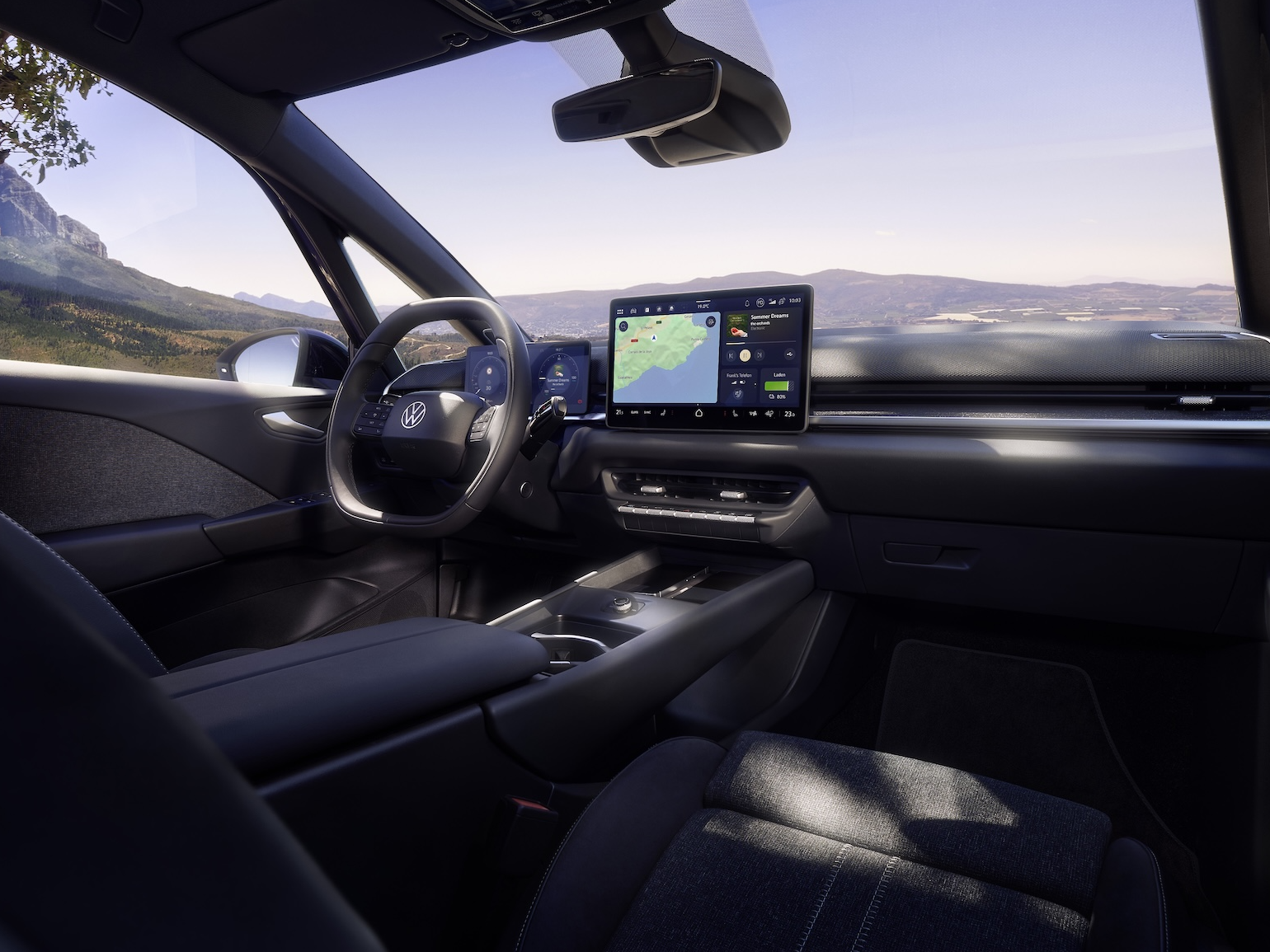
The new Innovision infotainment system pairs a 10.25-inch digital cockpit with a 12.9-inch central display, both running smoother graphics and a cleaner interface. Physical controls have made a welcome return too, with easier-to-use buttons and a redesigned multifunction steering wheel. It’s all very “True Volkswagen”, as the brand puts it, which essentially means it’s easy to live with and built to feel a class above. And answers criticisms about the usability of the original ID. 3.
The ID.3 Neo will launch in three trims — Trend, Life, and Style — with UK pricing and specifications to be confirmed soon.
As ever with Volkswagen, there’s also a long list of optional extras to choose from when it comes to personalising your new car. Highlights include an augmented-reality head-up display, a panoramic sunroof, a Harman Kardon sound system, 360-degree Area View, massaging front seats, and Park Assist Pro with memory function. A removable tow-bar bracket is also available, its 75 kg load limit being ideal for bike carriers and the like.
The ID.3 Neo also benefits from VW’s latest software platform, bringing new features such as Connected Travel Assist with traffic-light recognition, enhanced one-pedal driving, and a new vehicle-to-load (V2L) function that lets you power external devices directly from the car’s high-voltage battery. It even boasts an integrated app store so drivers can download additional services and apps as easily as you would with your smartphone.
For leasing customers, the ID.3 Neo looks like a major step forward, delivering more range, more tech, more quality, and a more refined driving experience.
If the original ID.3 felt like VW’s first draft of an electric Golf, the Neo feels much closer to the finished article. It’s confident, capable, and clearly ready to take on a rapidly growing field of compact EV rivals.
Related Offers

Volkswagen ID.3 Neo
79kWh 231ps Style Auto
£284.74 per month (inc VAT)
£3,416.83 Initial payment
24 month contract
5,000 miles p/a
Volkswagen ID.3 Neo
79kWh 231 Style ST Comfort Pack Auto
£300.11 per month (inc VAT)
£3,601.30 Initial payment
24 month contract
5,000 miles p/a
Volkswagen ID.3 Neo
79kWh 231ps Life Auto
£280.99 per month (inc VAT)
£3,371.90 Initial payment
24 month contract
5,000 miles p/a
Related articles

9th Oct 2026