Polestar 4 SUV adds more space to the electric performance formula
Published 1st October 2026
Polestar is expanding its line-up with a new SUV version of the Polestar 4, combining the distinctive design and performance of the existing coupé with considerably more luggage space and everyday versatility.
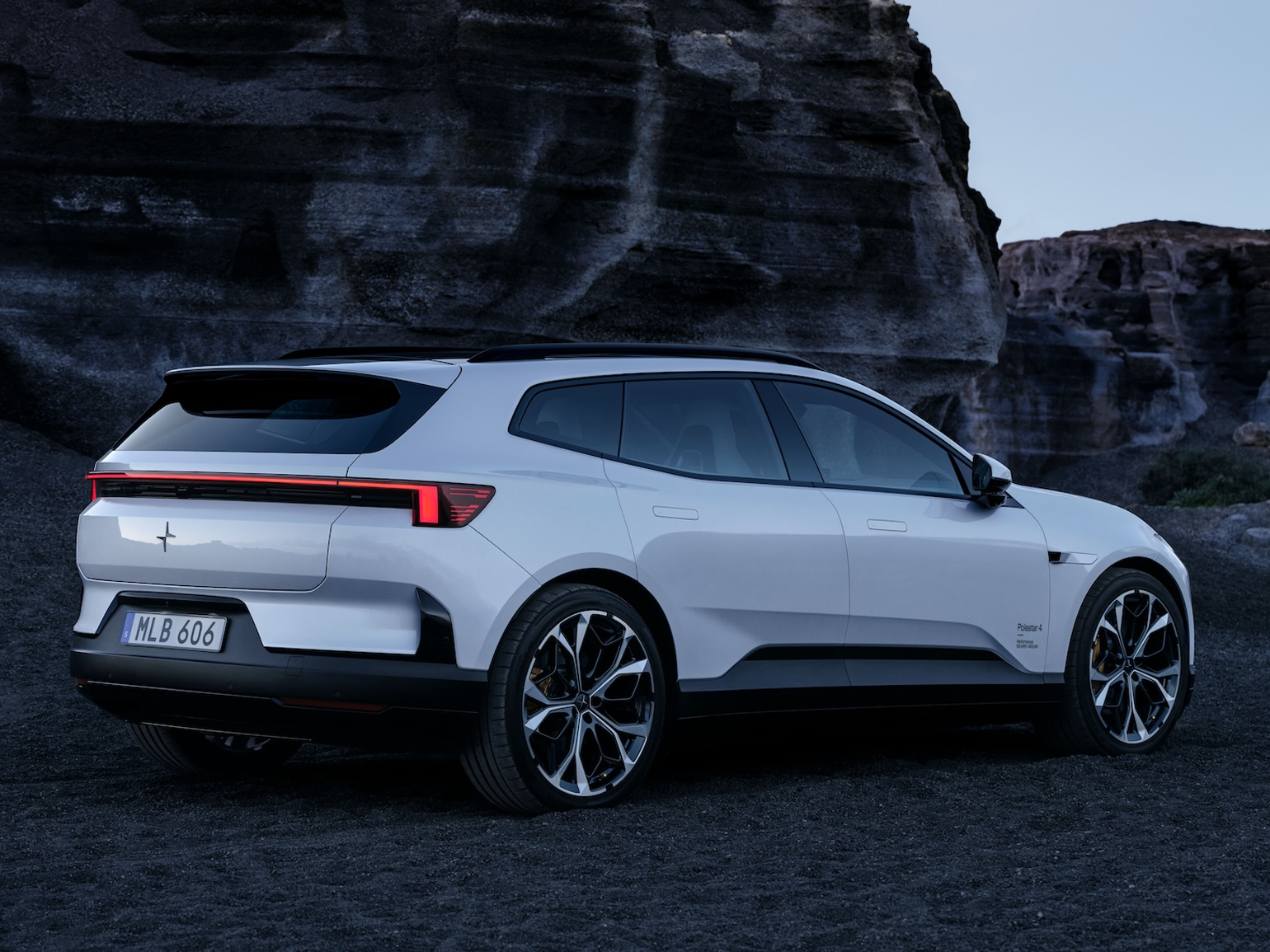
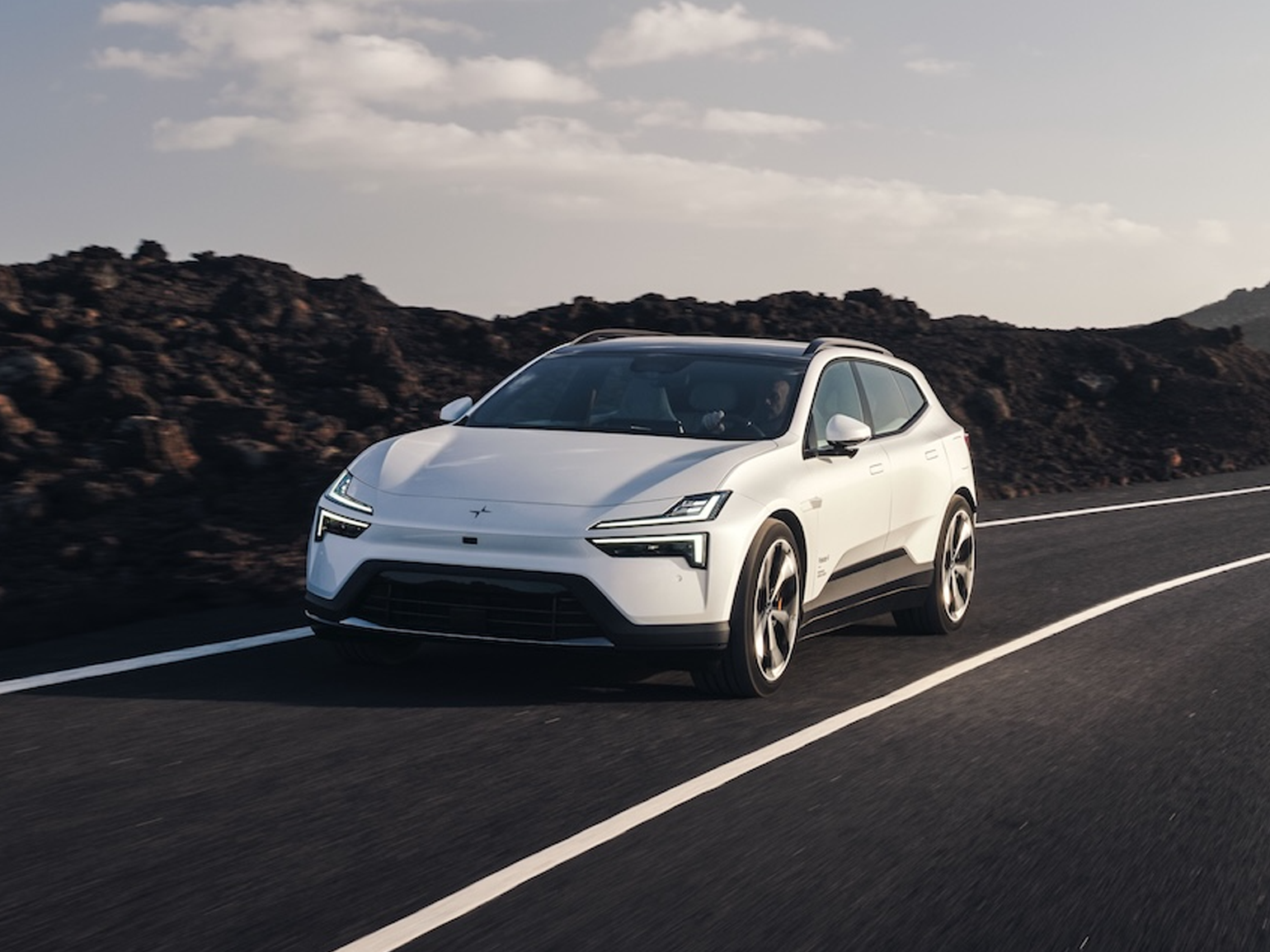
The SUV gets a straighter roofline and more upright tailgate, creating additional room for passengers and luggage while retaining the sleek shape, dual-blade headlights and distinctive Polestar styling of the coupe.
Priced from £54,750, the new Polestar 4 SUV offers up to 391 miles of electric range and is aimed at drivers who like the original car’s character but need something a little more practical for family life.
The more upright rear gives passengers in the second row an additional 2.5cm of headroom, while a larger panoramic glass roof extends all the way back to the tailgate. An optional electrochromic version can be electronically darkened to reduce glare.
Importantly, there's also a conventional rear window this time. The Polestar 4 coupé famously does without one in favour of a digital rear-view mirror, but the SUV returns to a traditional rear window and mirror as standard. Drivers who prefer the wider, unobstructed view provided by the camera system can still specify the digital mirror as an option.
The SUV provides 530 litres of rear luggage capacity measured to the seatbacks, increasing to 655 litres when loaded to the roof. Folding the 60/40 split rear seats increases capacity to 1,665 litres, while total storage including the front and rear luggage areas reaches 1,680 litres. Full-length roof rails can also carry up to 100kg too, so load space isn’t something you should be running out of very often.
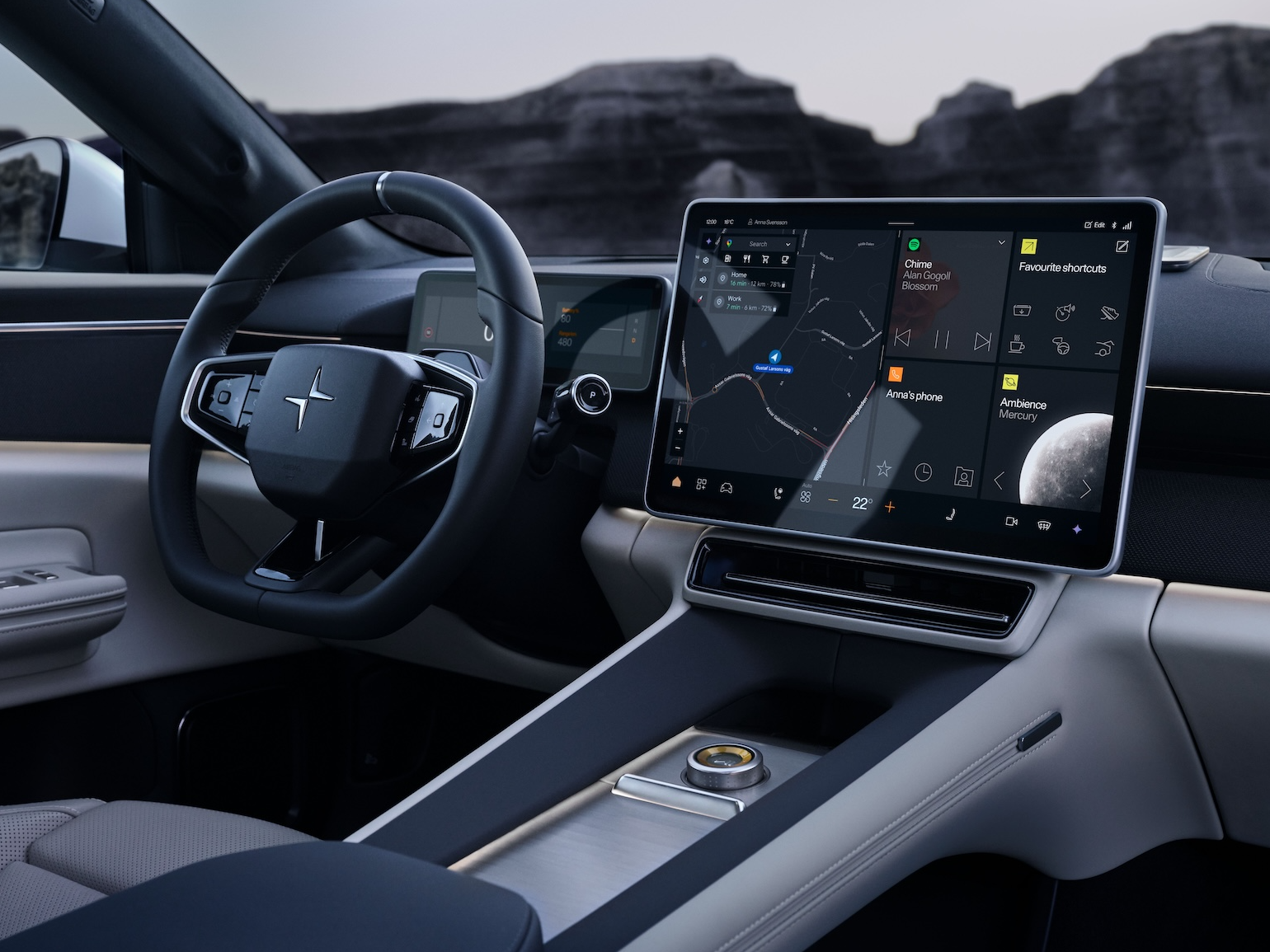
The cabin retains Polestar's minimalist approach, with a large landscape-format central display alongside a separate driver's display. Google Gemini brings more natural voice interaction and can help with tasks including trip planning and real-time translation, while the main screen now accommodates up to nine widget shortcuts. An optional 12-speaker, 1,400-watt Harman Kardon sound system is also available.
Two versions of the new Polestar 4 SUV will be offered, both using a 100kWh battery
The Rear motor model produces 268bhp, covers 0-62mph in 7.3 seconds and delivers the longest WLTP range at up to 391 miles. The Dual motor version adds all-wheel drive and ups the output considerably to 536bhp , cutting the 0-62mph time to just 3.9 seconds while still offering up to 373 miles between charges.
DC rapid charging is supported at up to 200kW, while UK cars can charge at up to 11kW AC. Vehicle-to-Load functionality is also being introduced across the Polestar 4 range through a software update, allowing the battery to provide up to 3.3kW of power for equipment such as tools, camping gear and other electrical devices.
And in a remarkable coincidence, that ties neatly into a new Camping mode for the SUV, which allows the climate control, entertainment and ambient lighting to be used while the vehicle is parked. Combined with the larger luggage area and V2L capability, it gives the more practical Polestar 4 a useful lifestyle angle beyond simply offering additional boot space.
Performance pack option for Polestar 4
Prices for the new Polestar 4 SUV start at £54,750 for the Rear motor model, rising to £60,750 for the Dual motor version. Drivers wanting the most performance-focused specification can also specify the Performance pack, which adds a further £7,500 to the Dual motor price tag in exchange for upgrades including recalibrated active dampers, uprated Brembo brakes and 22-inch Performance wheels.
For leasing customers, the Polestar 4 SUV should add another useful choice to the growing premium electric SUV market when it officially launches in the final quarter of 2026.
The combination of a near-400-mile maximum range, significantly improved luggage capacity and two very different performance options means drivers can prioritise either long-distance efficiency or considerably stronger performance without sacrificing the additional practicality that prompted them to choose an SUV in the first place.
Related Offers

Polestar 4 Suv
Electric 200kW 100kWh Rear Motor Business
£572.28 per month (inc VAT)
£6,867.36 Initial payment
48 month contract
6,000 miles p/a
Polestar 4 Suv
Electric 400kW 100kWh Dual Motor Performance Prime
£720.31 per month (inc VAT)
£6,482.81 Initial payment
48 month contract
6,000 miles p/a
Polestar 4 Suv
Electric 400kW 100kWh Dual Motor Prime
£691.43 per month (inc VAT)
£6,222.85 Initial payment
48 month contract
6,000 miles p/a
Related articles
11th Aug 2021
29th Sep 2026