


Faster charging speeds are key to electric van uptake: what needs to happen now
Published 13th November 2025
Electric vans are under pressure to do more in less time. The Association of Fleet Professionals (AFP) says charging speed is a bigger real-world blocker than range for many operators, because an hour on a charger is an hour off the job.
The point is simple: if vans can add meaningful miles in 15 to 20 minutes, the rest of the compromises become easier to manage.
Why charging speed matters more than a headline kW figure
Peak DC power in kilowatts is only part of the story. Real charging time depends on things like battery size, the shape of the charging curve, and thermal management. The practical yardstick is the 10 to 80 percent window. That is the time a driver actually waits before getting back on the road. AFP’s Paul Hollick says faster charging would ease other pain points such as payload-related range loss, because short, reliable top-ups keep the working day moving.
Typical 10 to 80 percent charging times by van segment
To ground the debate, here are representative times for UK-market vans that operators can lease now.
Compact vans
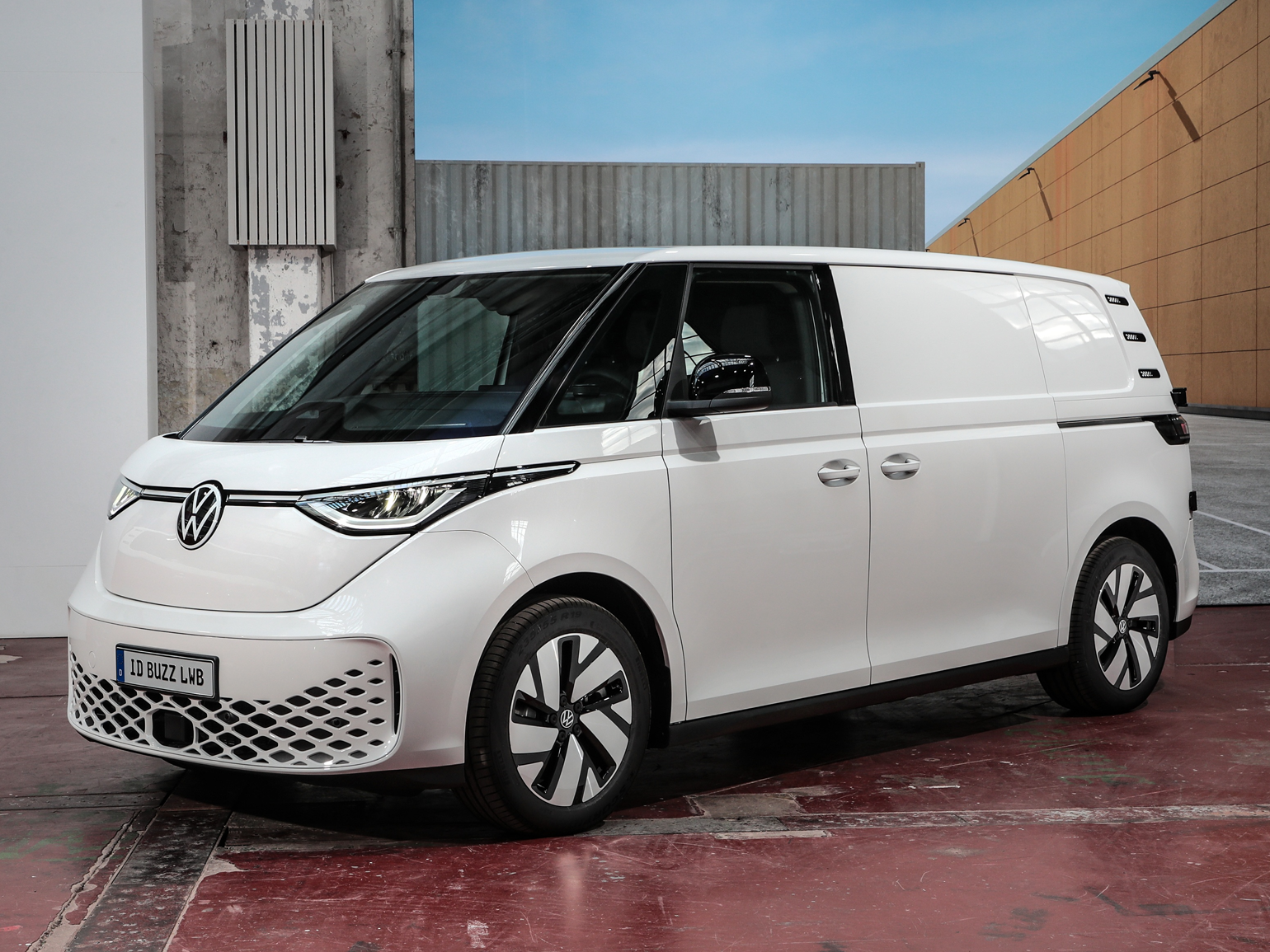
Volkswagen ID. Buzz Cargo 79kWh. Max DC 170 kW. Typical 10 to 80 percent in around 30 minutes.
Nissan Townstar EV 45kWh. Max DC 80 kW. Typical 10 to 80 percent in around 40 minutes.
Medium vans
Ford E-Transit Custom 82.5 kWh. Max DC 125 kW. Typical 10 to 80 percent in around 40 minutes.
Vauxhall Vivaro Electric 75 kWh. Max DC 100 kW. Typical 10 to 80 percent in around 40 minutes.
Large panel vans
Mercedes-Benz eSprinter 113 kWh. Max DC about 115 kW. Typical 10 to 80 percent in just over 30 minutes.
Renault Master E-Tech Electric 87 kWh. Max DC 130 kW. Typical 10 to 80 percent in around 40 minutes.
In everyday use many drivers will most likely see longer sessions due to charging times varying on charger power, temperature and the battery condition.
Where fleets lose time today
AFP members report that many vans are limited by a mismatch between the vehicle and the charger in front of it. A van that can accept 130 to 170 kW makes little difference if the site is delivering 50 kW because several vehicles are tethered, cold weather slows everything. Also battery pre-conditioning helps, but only if the route planner and the charger talk to each other and the driver leaves with enough thermal headroom.
What faster really looks like
The car market already points to the answer, with high voltage architectures, robust thermal control, and charging curves that hold high power for longer. With those in place, a credible target for everyday working vans is 10 to 80 percent in the low 20 minute range on a suitably powerful charger. AFP argues that 15 minutes would be a step change for productivity. It cuts unproductive time, reduces queue build-up at peak periods, and allows heavier payload routes without range anxiety.
How manufacturers can move the needle on electric van charging times
Raise DC capability and harden thermal systems so that the van holds near-peak power through the middle of the charging window. Publish full charging curves, not just a single peak number. Tune route planners to arrive warm at the charger. Add clear state of charge targets so drivers do not waste minutes nudging from 78 to 80 percent when taper is heavy. Offer dual-port layouts or easier cable access to speed site turnover.
What operators can do now
Specify vans by time, not just by peak kW. The 10 to 80 percent figure should sit in the tender alongside payload and range. Choose models with route-aware pre-conditioning and train drivers to use it. Reserve or favour sites that match vehicle capability and monitor live power output rather than posted headline numbers. In winter, plan for longer stops and consider warming the pack before the rapid session. Keep charging below 80 percent on the road and finish to 100 percent back at base if needed.
Policy and infrastructure that would help
More high power bays in van friendly layouts, with pull-through access and space for long wheelbase vehicles. Better uptime reporting and compensation when a site delivers materially less than the stated power. Continued work on easing compliance burdens for 4.25 tonne electric vans so operators can offset battery mass without losing payload.
Conclusion
Speed matters because time is money. Today, compact vans can add useful energy in about half an hour, medium vans sit around the 40 minute mark, and the newest large vans can dip into the low 30s in good conditions. The closer the market can get to a consistent 15 to 20 minute turnaround, the faster electric vans will scale as credible leasing options.
Related articles
12th Oct 2026

24th Sep 2026
4th Aug 2026